

- News & Events
- Fabo UK
- 14 March 2026
- 2 Less than a minute
Caste discrimination is no different to other forms of discrimination already outlawed in Britain
Santosh Dass writes: For over two decades, Dalit organisations have actively lobbied for a law to address the impact of caste discrimination. It is in essence no different to other forms of discrimination already outlawed in Britain.
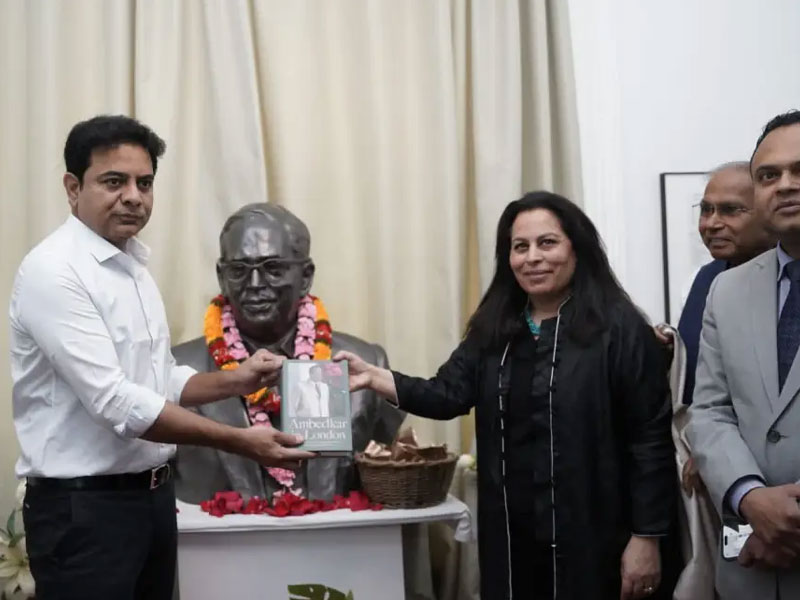
On June 30 this year, Gray’s Inn, the internationally recognized seat of jurisprudence, unveiled a radical portrait of its former alumnus Dr B R Ambedkar and inaugurated a room named after him. It was the culmination of years of discussion between the Federation of Ambedkarite and Buddhist Organizations UK (FABO UK) and Gray’s Inn.
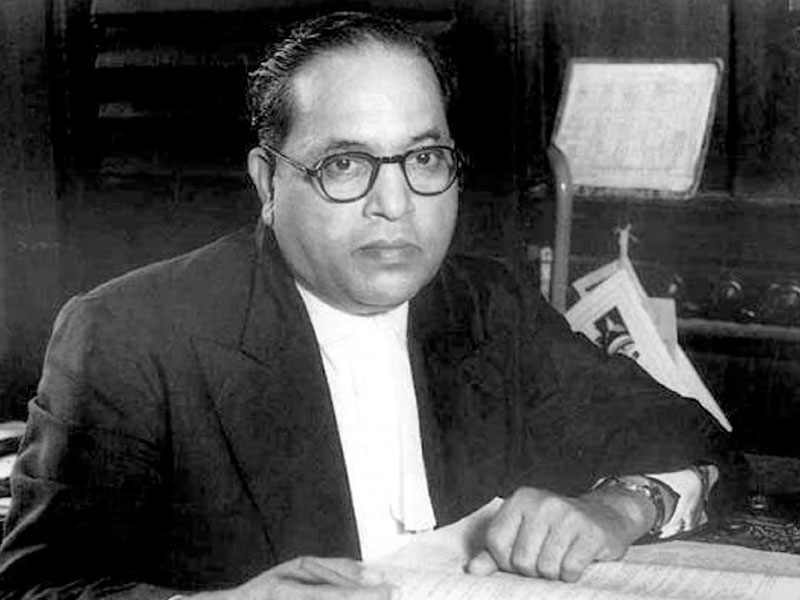
Commissioned and donated by FAB OUK, the David Newens oil painting of Ambedkar is based on a 1946 black-and-white photo by renowned photojournalist Margaret Bourke-White for Life magazine. Radical? Ken Hunt, the writer, observes, “Unlike his (Ambedkar’s) usual poses, Bourke-White’s shoot captured him in a relaxed mood at his home in Delhi. He is on his veranda with a cascade of bougainvillea beside him.” His smile engages, and, like Mona Lisa’s, his eyes will follow future legal eagles around the room.
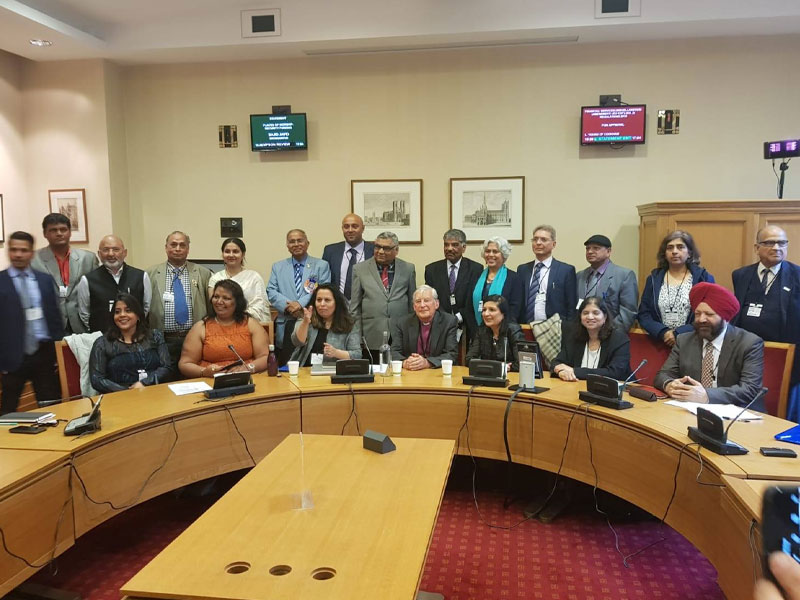
Lord David Alton of Liverpool, Master Ali Malek QC, Dr Ambedkar’s great-grandson Sujat Ambedkar and I gave speeches before the portrait’s unveiling. Lord Alton is a staunch supporter of our campaign against caste-based discrimination and regularly refers to Dr Ambedkar in parliamentary debates on equality legislation, anti-caste discrimination law, and the discrimination Dalits and Adivasis face.
The campaign to publicise caste discrimination experiences in Britain began in the ’70s with such committed Ambedkarites as FABO UK’s Arun Kumar. For over two decades, Dalit organisations have actively lobbied for a law to address the impact of caste discrimination. It is in essence no different to other forms of discrimination — say, on disability, sexual preference, gender or race — already outlawed in Britain. That’s why groups want it to be protected under the Equality Act 2010.
-
 16 Mar 2026
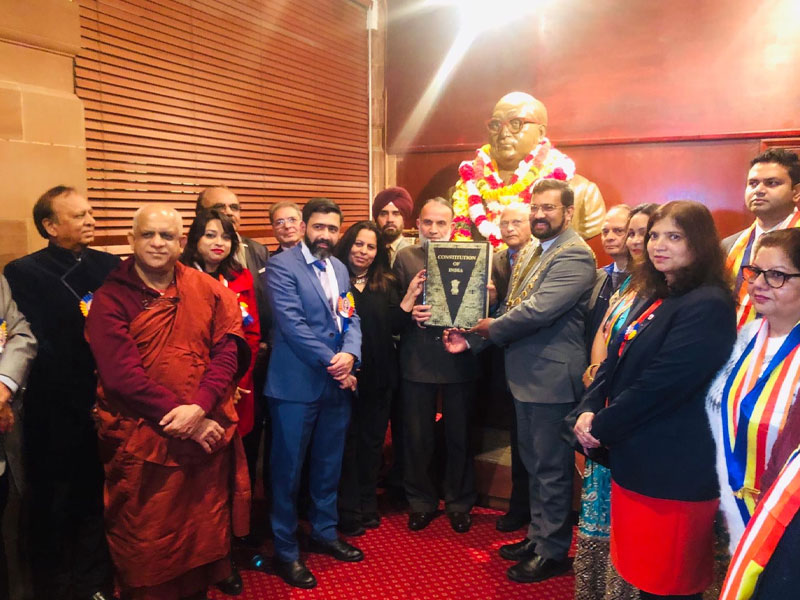
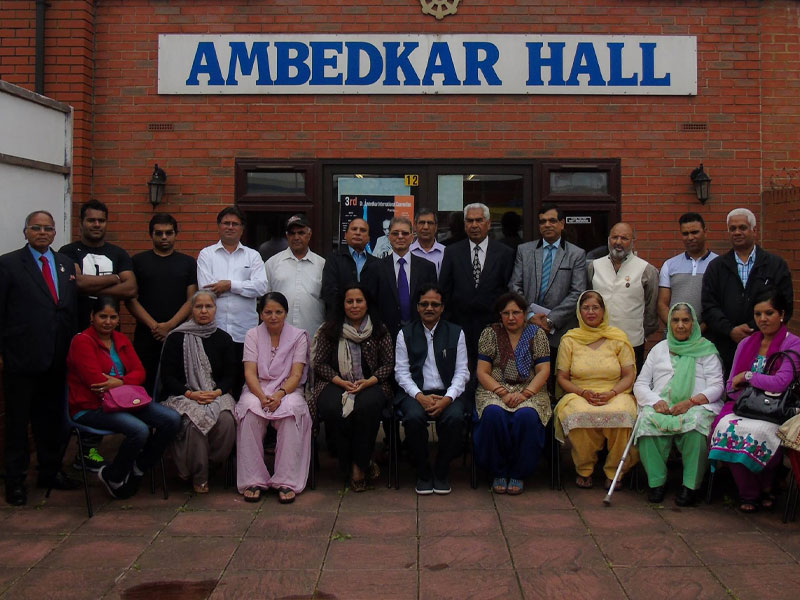
London Celebrates the Constitution Day of India
-
-
-
-

-
 by Fabo UK / 5
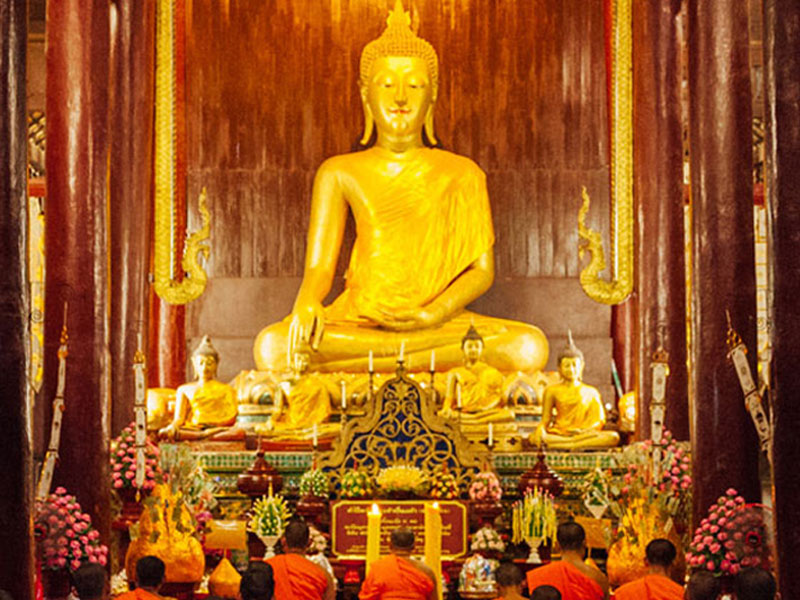
Global Buddhist Congregation 2011
-
 by Fabo UK / 5
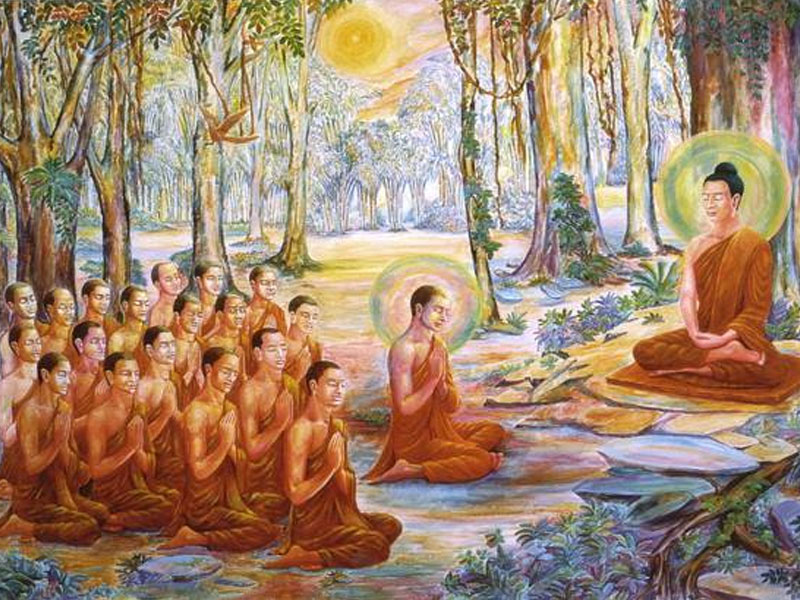
Embracing Buddhism
-
 by Fabo UK / 4
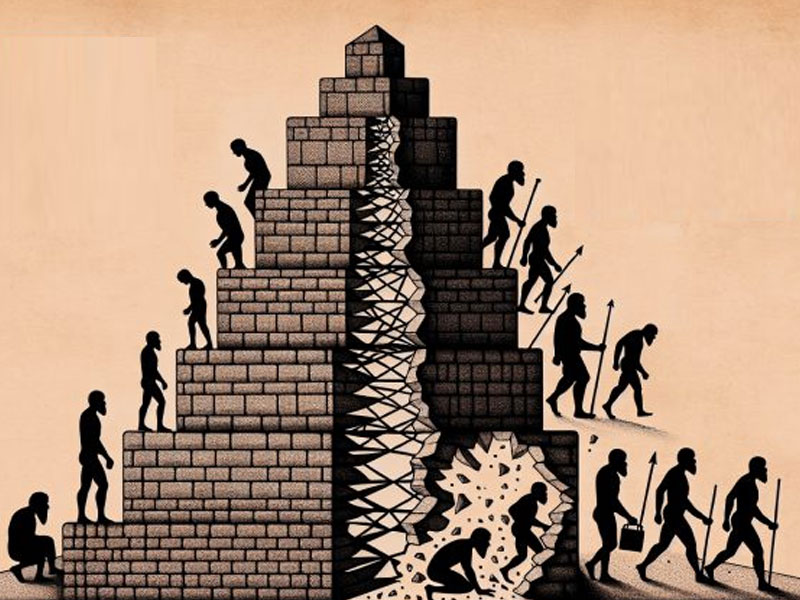
The Prevail of Caste-ism Even in Modern Times